
Introduction: The Snack Problem Nobody Talks About
Let’s be honest.
As we get older, eating habits change.
You’re not always sitting down for three big meals anymore…
Sometimes you just want something small.
But here’s the problem:
Most snacks out there are either
👉 loaded with sugar
👉 full of junk ingredients
👉 or just plain unsatisfying
So you eat it… and 30 minutes later—you’re hungry again.
That’s not a snack. That’s a tease.
What Your Body Actually Needs (Not What Ads Tell You)
At this stage of life, your body isn’t asking for junk.
It’s asking for:
- Steady energy (not sugar spikes)
- Something filling (not empty calories)
- Easy digestion
- Real ingredients you recognize
That’s it.
No miracle powders. No hype.
The Smart Snack Formula (Simple and Effective)
Here’s where people overcomplicate things.
A good snack should have:
✔ Protein
Helps you feel full and maintain muscle.
✔ Healthy fats
Support brain and heart health.
✔ Fiber
Keeps digestion moving and helps stabilize blood sugar.
A Simple Example:
Instead of cookies or chips:
- Nuts + dark chocolate
- Oats + seeds
- A well-made snack bar with real ingredients
Now you’ve got something that actually works.
Why Snack Bars Are Making a Comeback
Now, I’ll tell you something interesting.
Snack bars used to be candy bars in disguise.
Today? Some of them are actually useful.
But you have to be selective.
What to Look For in a Good Snack Bar
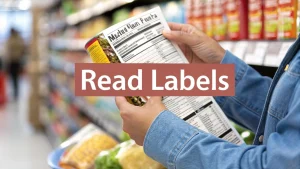
Don’t get fooled by labels.
Check for:
- Short ingredient list
- No artificial additives
- Low added sugar
- Real foods (nuts, oats, cocoa, seeds)
If you can’t pronounce it… you probably don’t need it.

The “Energy Crash” Mistake
This is a big one.
You eat something sweet…
You feel good for a few minutes…
Then:
👉 energy drops
👉 you feel tired
👉 you reach for more food
That cycle is what we want to avoid.
A balanced snack prevents that.
When Should You Snack?
Here’s the truth—there’s no perfect schedule.
But good times include:
- Mid-morning
- Mid-afternoon
- Before or after light activity
What matters is why you’re eating.
👉 Hungry? Eat.
👉 Bored? That’s different.

A Practical Approach (No Diet Required)
Let’s keep this simple.
Instead of trying to follow complicated diets:
- Replace one unhealthy snack per day
- Choose something with protein and fiber
- Pay attention to how you feel afterward
That’s how habits change—without forcing it.
Where JoanBars Fits In
This is where a product like JoanBars comes in.
Not as a miracle.
But as a convenient option when:
- You don’t feel like preparing food
- You’re on the go
- You want something quick but reasonable
Think of it as a better choice… not a perfect one.

Final Thought (And This Is the Truth)
At our age, we don’t need extremes.
We need:
- Consistency
- Simplicity
- And food that actually makes us feel better—not worse
You don’t have to eat perfectly.
But you can eat smarter.
And that starts with what you reach for between meals.
Read other Blog :- Read Now
❓ FAQ Section
1. Are snack bars healthy for seniors?
Some are—but many are not. Look for simple ingredients, protein, fiber, and low added sugar.
2. What is the best snack for steady energy?
Snacks with protein, healthy fats, and fiber—like nuts, seeds, or balanced snack bars.
3. How often should seniors snack?
It depends on appetite and activity, but 1–2 small snacks per day is common.
4. Do snacks affect blood sugar levels?
Yes. Sugary snacks can cause spikes and crashes, while balanced snacks help maintain stability.
5. Can snack bars replace meals?
Not usually. They are best used as a supplement between meals, not a full replacement.