Let’s cut through the nonsense.
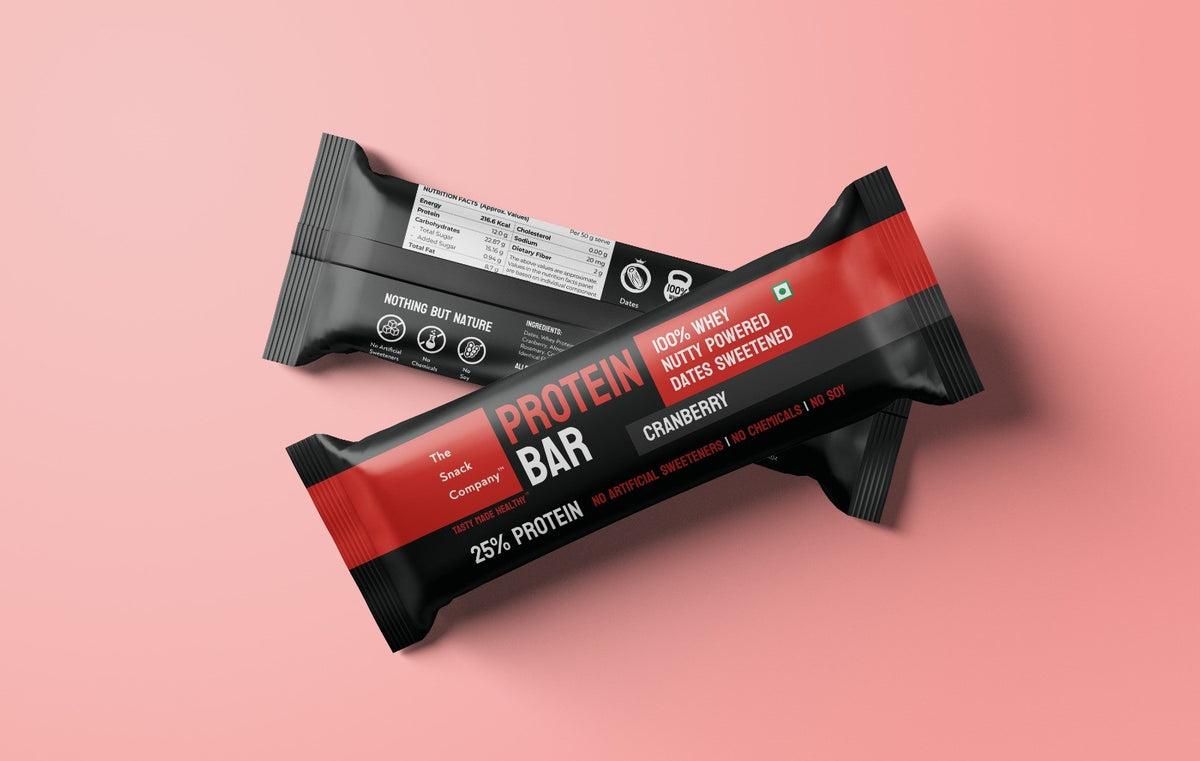
Walk into any store and you’ll see shelves full of protein bars claiming to be “healthy,” “natural,” and “good for you.”
But here’s the truth most people don’t want to admit:
A lot of them are nothing more than candy bars in disguise.
So the real question is — how do you know what you’re actually putting into your body?
The Hidden Problem With Most Protein Bars
Take a closer look at the label and you’ll often find:
- Added sugars or sugar alcohols
- Artificial flavors
- Preservatives
- Long ingredient lists you can’t pronounce
That’s not health. That’s marketing.
For seniors, this matters even more because digestion, metabolism, and energy levels are not what they used to be.
What Your Body Actually Needs
As we age, the body needs:
- Quality protein to maintain muscle
- Healthy fats for energy and brain support
- Simple, real ingredients that are easy to digest
Not chemicals. Not fillers.
Just real food.

The Joan Bars Philosophy: Keep It Simple
At Joan Bars, the idea is straightforward:
If you wouldn’t recognize the ingredient, it probably shouldn’t be there.
That means:
- Real nuts
- Natural sweeteners like honey
- Clean protein sources
- No unnecessary additives
Simple food that works with your body, not against it.
Why This Matters More in Elderhood
Here’s something most people overlook.
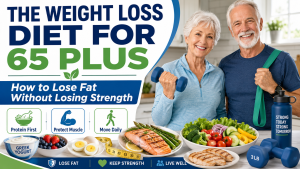
Muscle loss, known as Sarcopenia, accelerates with age.
And one of the easiest ways to fight it is:
Consistent protein intake throughout the day.
That’s where a clean, simple bar can actually make a difference.
Not as a replacement for meals, but as a support tool.

A Smarter Way to Use Snack Bars
Instead of grabbing whatever is on the shelf, think like this:
- Use a bar as a midday energy boost
- Pair it with fruit or coffee for a light meal
- Keep one handy when traveling
- Avoid bars that spike your blood sugar
The goal is steady energy, not a sugar rush.
The Bigger Truth About “Healthy Snacks”
Most so-called healthy snacks are built for taste and shelf life, not for your long-term health.
That’s the reality.
But when you choose better ingredients, you change the outcome.

Final Thoughts
You don’t have to give up convenience.
You just have to be smarter about it.
A good snack bar should support your health, not sabotage it.
And once you understand that, you’ll never look at those shiny wrappers the same way again.
Read other Blog :- Read Now
Frequently Asked Questions (FAQ)
1. Are protein bars good for seniors?
Yes, if they contain clean ingredients and quality protein. They can help maintain energy and muscle.
2. What should I avoid in a protein bar?
Avoid high sugar content, artificial ingredients, and long, complex ingredient lists.
3. How much protein do seniors need daily?
Most seniors benefit from higher protein intake than younger adults, but exact needs vary.
4. Can protein bars replace meals?
Not regularly. They are best used as a supplement or snack.
5. What is sarcopenia?
It’s the natural loss of muscle mass as we age, which can be slowed with proper nutrition and activity.
6. Are natural sweeteners better?
Generally yes, but moderation is still important.
7. When is the best time to eat a protein bar?
Between meals, after light activity, or when you need a convenient energy boost.